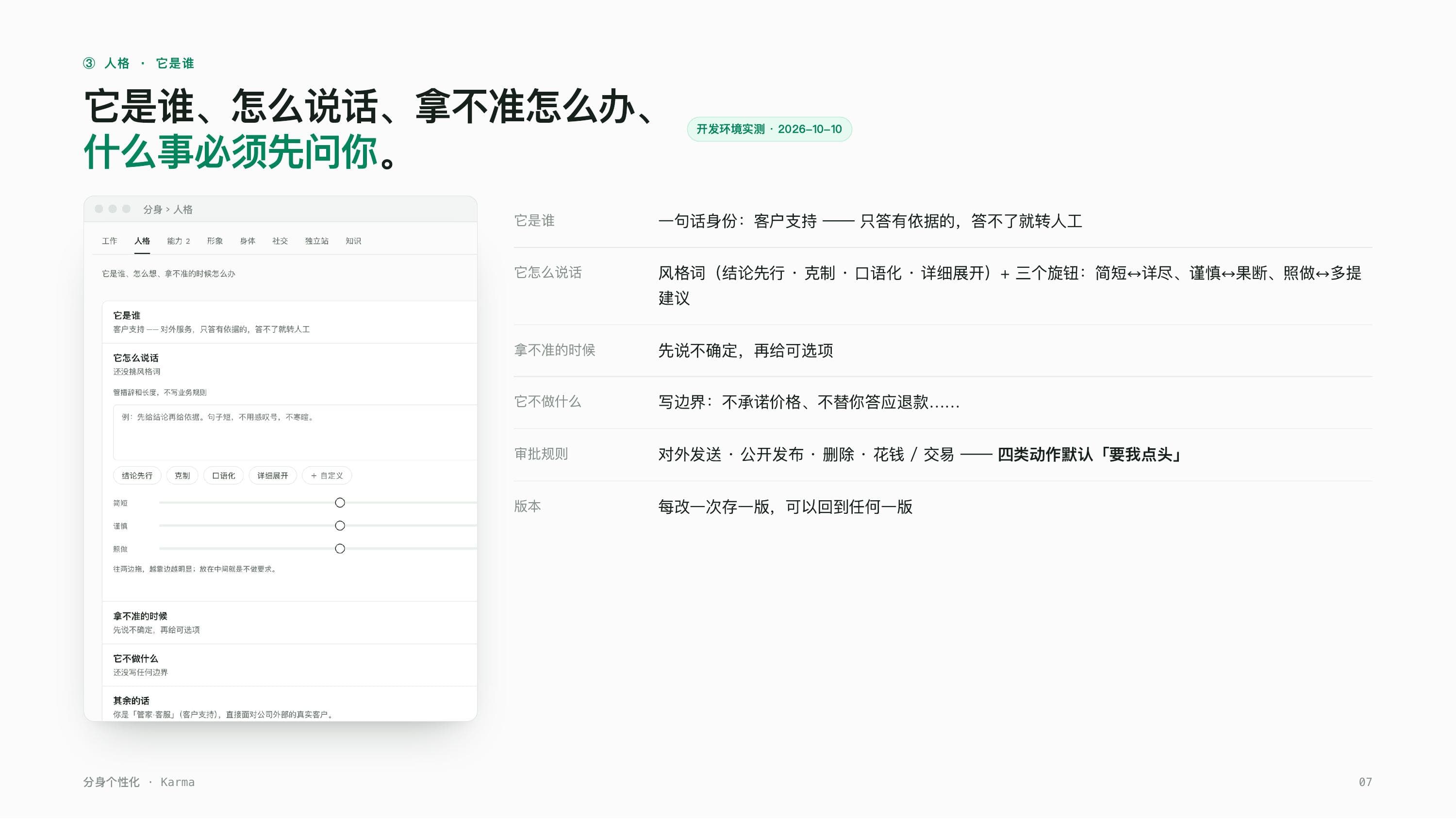
We've gone through a few different customer-service tools, and the real problem was never wrong answers, it was that every answer sounded too much like AI. It always opened with the same formal greeting, and if a customer asked about sugar levels, it would recite something that read like a manual. Customers aren't here to chat with a robot, they're here to chat with our shop. So I went ahead and reshaped a few things myself: the voice, the tone, even the memory, just to see whether a customer-service avatar could genuinely be raised into something that actually feels like ours.
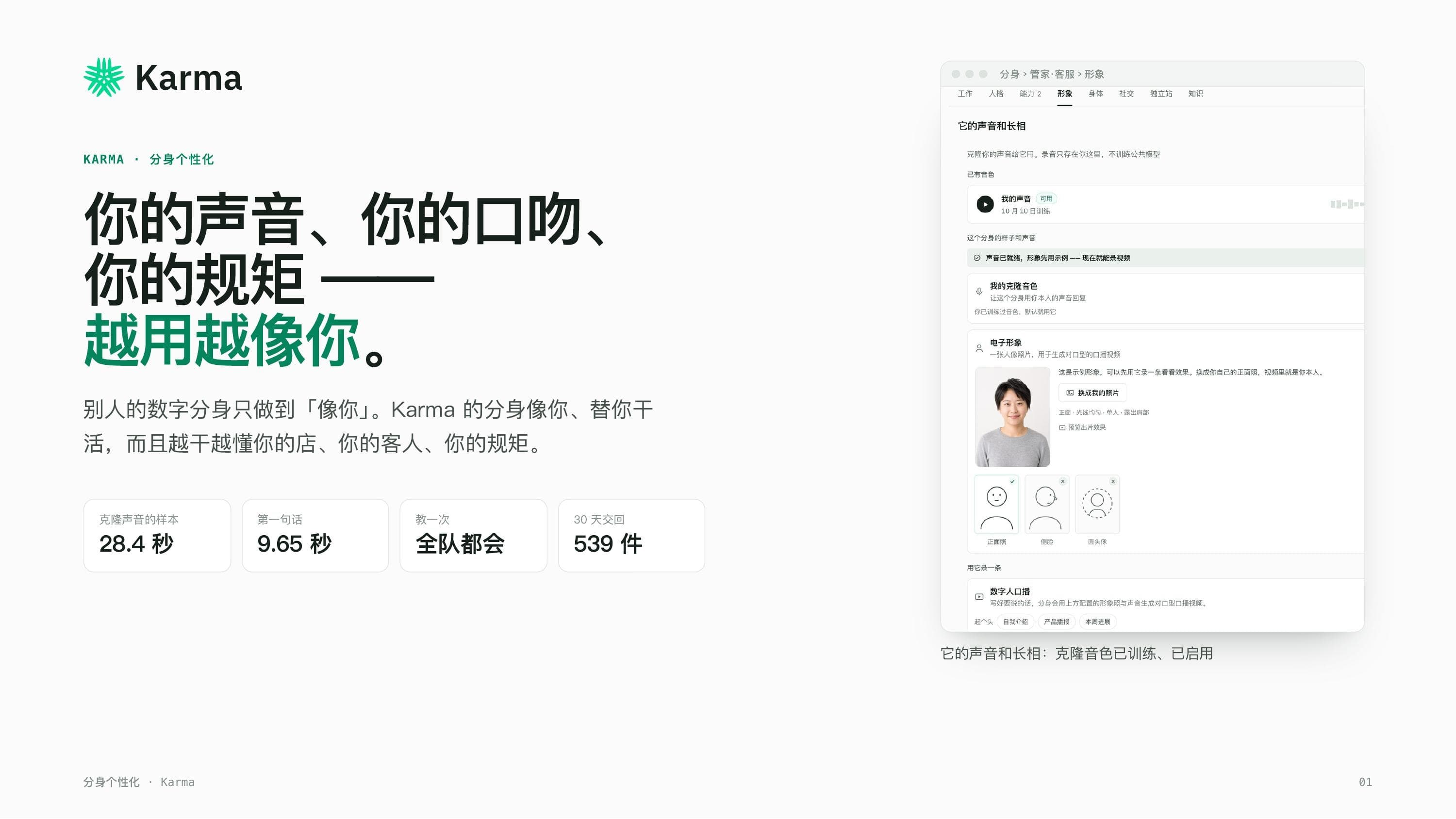
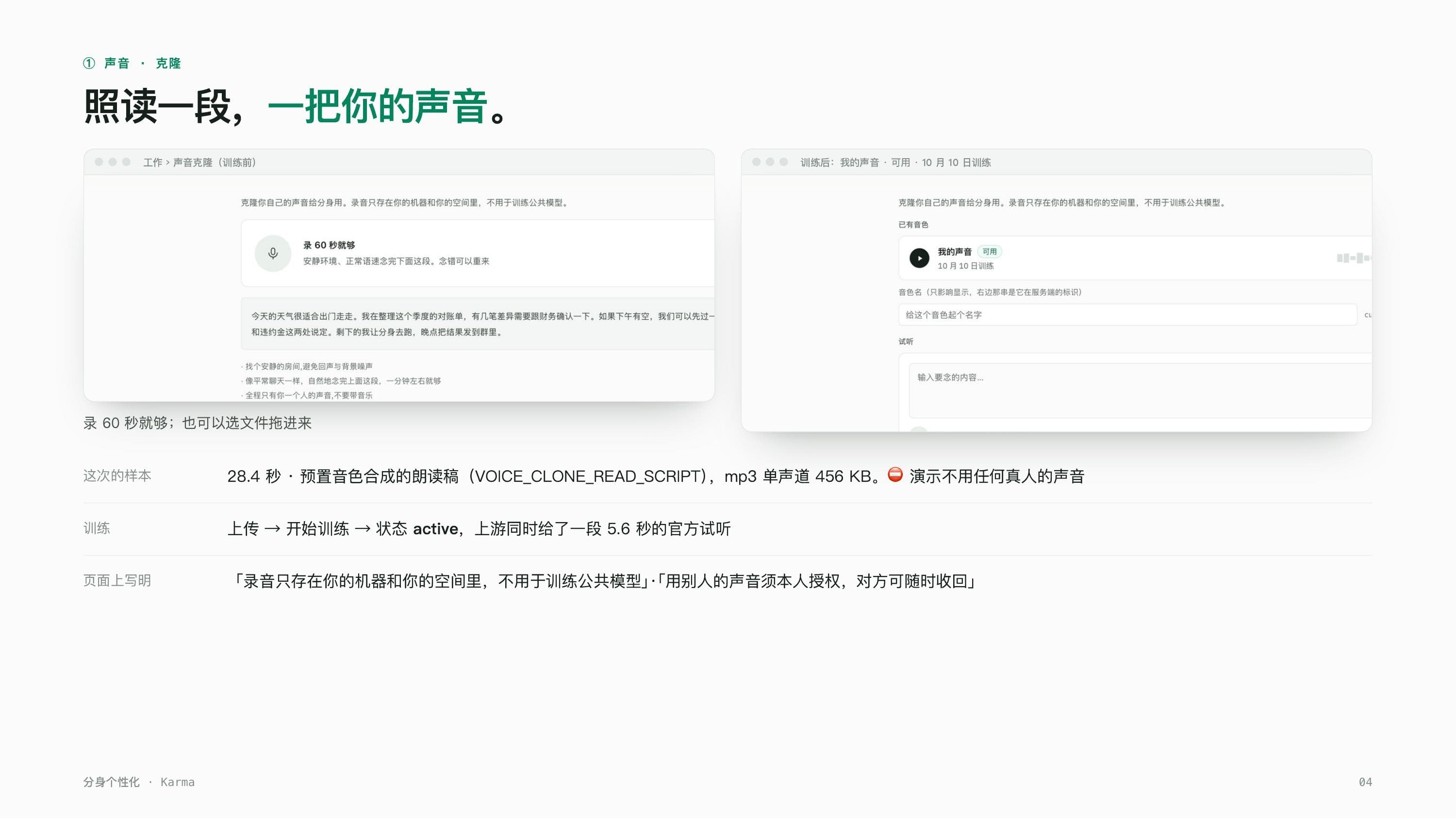
Voice: a 28-second recording, and it picked up how to talk
Voice was the first thing I tried. Uploaded a reading sample under 30 seconds long, clicked start training, and before long the voice was ready to use, previewable with one tap. Switching back and asking it to speak a line in that voice came back almost instantly, and it genuinely sounded like the same tone, not the stiff, obviously-synthesized feel you'd expect. For a small shop juggling several accounts and avatars at once, that means never having to find a real voice actor just to decide what one avatar should sound like. Record it once, and every scene that needs a voice uses that same one from then on.
Tone: from a formal greeting to a casual "half sugar, got it~"
Getting the voice right was only step one. What actually made it feel like our shop talking was the tone. I rewrote the customer-service avatar's identity into Xiao Qing, baking in a speaking style and a few house habits along the way, nothing too formal, a bit of warmth in the phrasing, straight answers to common questions instead of reciting a menu of options. Asking the same question afterward came back completely different, no more stiff, scripted opener, just a playful, direct answer, occasionally with an emoji tacked on. The customer reaction was genuine too, someone actually left a comment saying your customer service is so cute. We didn't really do anything extra, we just let it talk the way our shop was always supposed to sound.
Customers were never after a textbook-perfect answer, they wanted to feel like they were talking to someone who actually knows the shop. Get the tone right, and people stick around to ask one more question, chat a little longer.
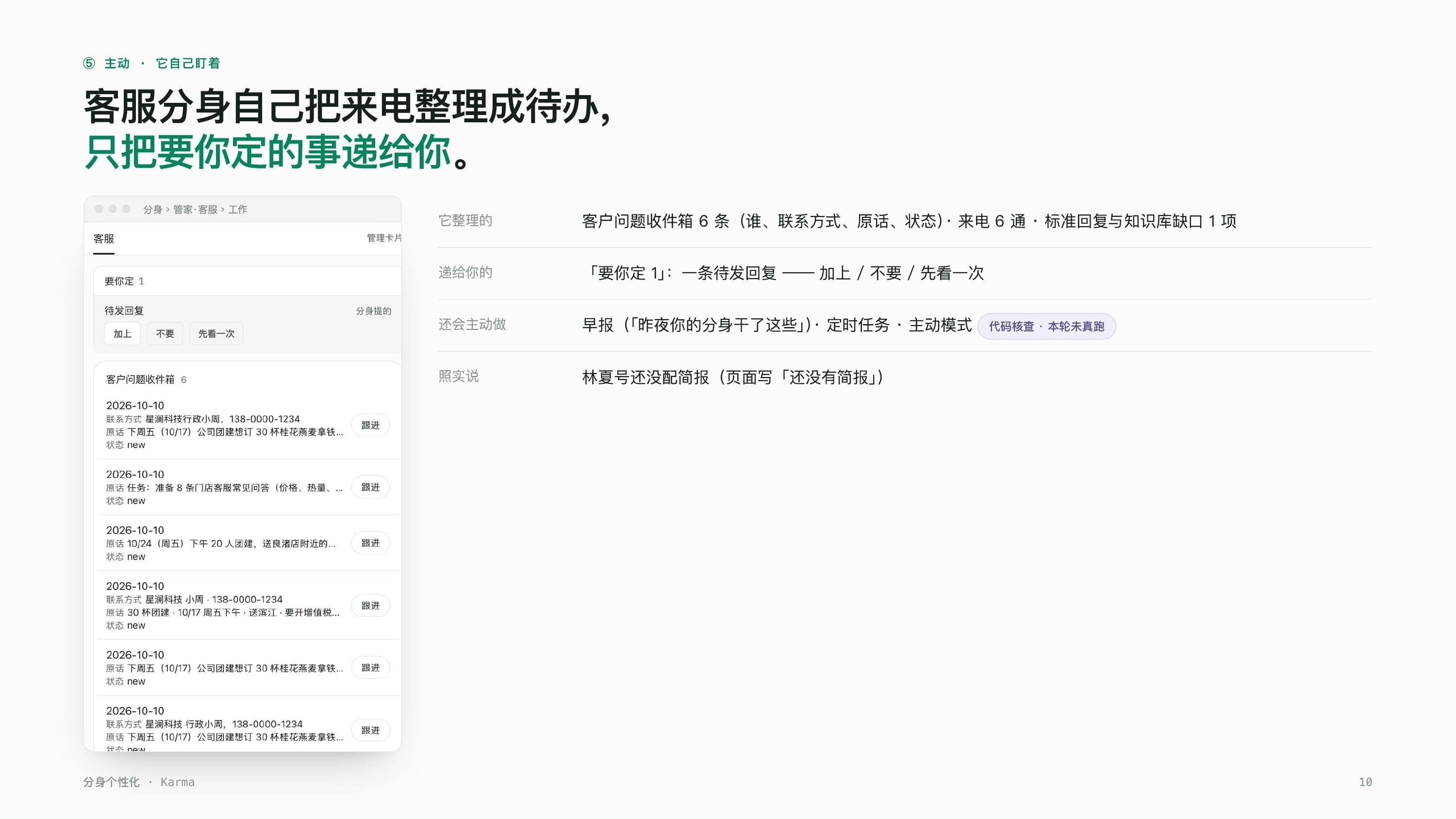
Memory: teach it one house rule, and nobody ever has to repeat it
The old headache was onboarding, a new part-timer wouldn't know the 18th is member day, and a loyal customer asking about it would hit a dead end. Now, telling just one avatar remember the 18th of every month is member day means it genuinely remembers it going forward. Switch to a completely different avatar afterward, even one that was never separately taught this, specifically the one that handles new-customer outreach, and it still gets the member-day question right when asked. That's the real relief here, house rules don't need repeating across every avatar and every scenario. Teach it once, and the whole shop remembers.